The Holiday Planning Trap
One planner packs every minute; one leaves the itinerary blank, waiting for magic to happen.
A well-meaning friend once booked a week-long trip, choosing hotels by rating scores and pre-ordering dinner reservations for every single evening before the plane even landed.
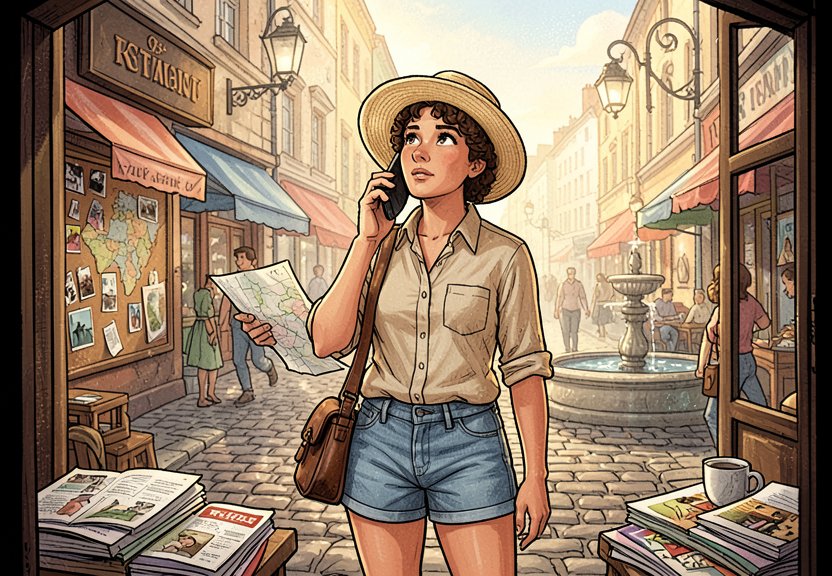
Some people believe that a holiday is only truly relaxing if every detail is arranged months in advance, so they fill out spreadsheets and check off tasks.
They argue that uncertainty causes anxiety, especially when travelling abroad where language barriers or unexpected closures can ruin a carefully built schedule.
For these travellers, peace of mind feels like the price they must pay for comfort, and they will not rest until every possible problem is solved.
Others feel that over-planning steals the very pleasure they are seeking, turning a spontaneous escape into a second job with rigid deadlines and constant worrying.
They prefer to book only the flight, perhaps one night’s accommodation, then let the day unfold naturally without a map or an agenda to follow.
This group often says that leaving room for mistakes allows them to stumble upon local cafes and hidden markets, experiences they would never find on a guided tour.
They admit that getting lost or having to ask for directions makes the trip feel more real, as if they are actually part of the place.
A third group sits somewhere in between, creating a loose framework with a few must-see sights while leaving the rest open to whatever mood takes hold.
They know that life happens, so they build a buffer of free time into their days and treat the itinerary as a suggestion rather than a law.
Perhaps this middle ground is where the true art of travel lies, balancing preparation with enough freedom to feel alive and unafraid.
Maybe the best holiday is not the one with the most plans, but the one that lets you forget whether there was a plan at all.