# The Dinner Table Dilemma
# The Dinner Table Dilemma
A well-lit kitchen smells of garlic and rosemary. You sit down with a friend, but the first bite leaves you silent. The dish is edible, yet it lacks any real spark. You wonder whether to say anything at all.
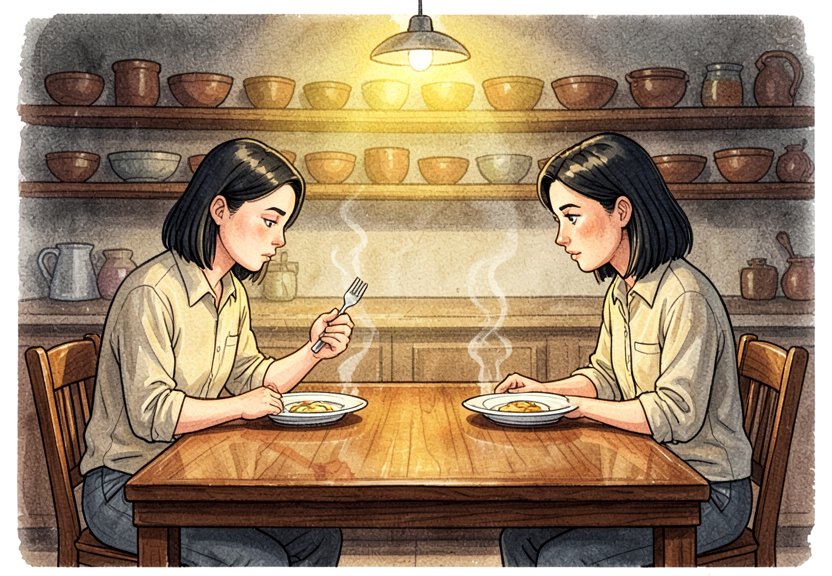
Some people believe honesty is a kind of gift. They assume that gentle criticism will help the other person improve their skills over time. These individuals often frame their words carefully, focusing on specific actions rather than general failures. They might suggest adding more salt or cooking the vegetables for a longer time. Their goal is to be helpful without causing unnecessary pain.
Others feel that silence is the safest and most polite choice. They worry that a small suggestion might be taken as an attack on their character instead of advice about the food. A friend who cooks with passion might feel deeply hurt by a remark that sounds like an insult. To them, the effort of creating something from scratch is worth protecting, even if it isn't perfect.
There is also the question of timing and relationship strength. A close friend who knows you well might appreciate a direct word more than an awkward guest would. Someone who has shared many meals with you over the years understands that your feedback comes from a place of care. On the other hand, a new acquaintance might feel more comfortable receiving a compliment about their presentation rather than an honest critique of the flavor.

The situation becomes complicated when you consider your own role in the meal. Sometimes you are also eating, and a moment of quiet reflection feels more important than making someone feel awkward. Other times, you have spent hours preparing the meal yourself and want to share it without reservation. The desire to connect with your friend often outweighs the urge to fix their mistakes, regardless of how good or bad the dish turns out.
Perhaps the best approach is to shift your focus from judging the meal itself to appreciating the effort behind it. Instead of saying "this is too salty," you might say, "I really love how much care you put into this." This opens a door for the person to share their own thoughts and feelings about why they made certain choices. In the end, a shared meal is less about perfection than it is about connection.
So next time you sit down to eat, ask yourself what you truly want from the moment. Do you want a perfect dish or an honest conversation?